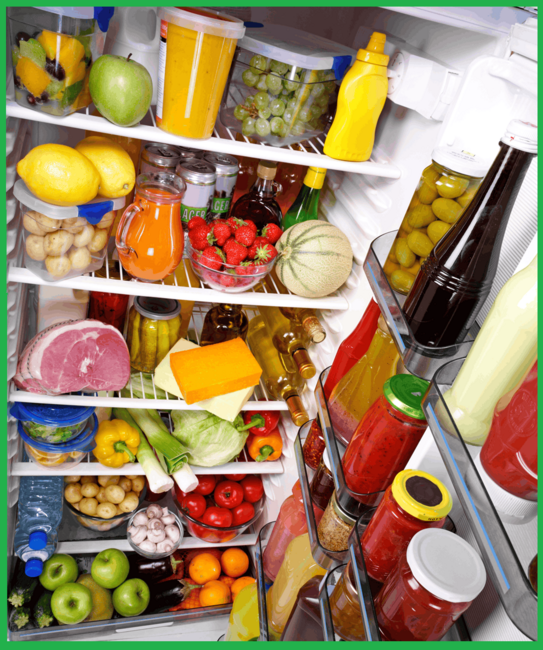
Organizing Your Refrigerator for Canadian Households
When Canadians think about reducing food waste, they often focus on grocery shopping, meal planning, or composting. However, one of the most powerful tools for reducing household food waste is sitting in your kitchen right now: your refrigerator.
A poorly organized refrigerator makes it easy to forget leftovers, lose track of produce, and buy items you already have. A well-organized refrigerator does the opposite. It helps food stay fresh longer, reduces unnecessary grocery spending, supports healthier eating habits, and prevents food from ending up in the garbage or organics bin.
According to Love Food Hate Waste Canada, a significant amount of household food waste is avoidable and often results from buying too much food, improper storage, and losing track of what is already available in the home. Research from the National Zero Waste Council also highlights better food storage and management as critical strategies for reducing avoidable food waste in Canadian households.
Whether you live in Vancouver, Victoria, Kelowna, Calgary, Toronto, or anywhere else in Canada, the following refrigerator organization system can help you maximize every grocery dollar and significantly reduce food waste.
Why Refrigerator Organization Matters
Simple put: Food waste is expensive.
Every wilted lettuce head, forgotten container of leftovers, and expired yogurt represent money you've already spent. With grocery costs continuing to rise across Canada, reducing waste has become one of the easiest ways to stretch a household budget. Most importantly, it makes food visible. If you can't see it, you probably won't eat it.
A well-organized refrigerator helps you:
- Reduce food waste at home
- Keep food fresh longer
- Save money on groceries
- Improve meal planning
- Prevent duplicate purchases
- Increase food safety
- Reduce environmental impact
The Hidden Cost of Refrigerator Chaos
Many households unknowingly create food waste simply because of how food is stored. These are commons cause of food spoiling:
- Produce hidden in drawers
- Leftovers pushed to the back
- Multiple open containers of the same ingredient
- Expired sauces taking up valuable space
- No system for tracking older food
Where to Start Your Refrigerator Organizational Process
Before organizing your refrigerator, it's important to understand that reducing food waste is not about perfection. It's about creating simple habits that make food easier to find and use. Here are a few ideas on how to organize a refrigerator by how you live. Regardless of your family or how you think of food the first step is to conduct an audit and understand the coolest and warmest part of your refrigerator.
Conduct a Complete Refrigerator Audit
Before reorganizing, start with a clean slate.
Empty the Refrigerator. Remove everything and as you do, sort items into four categories:
- Keep - Items that are fresh and safe to eat.
- Use Soon - Items approaching their best-before dates.
- Freeze - Foods you won't use immediately but can preserve for future meals.
- Compost or Dispose - Spoiled food that is no longer safe to consume.
Check Best-Before Dates - Many Canadians accidentally throw away good food because they misunderstand date labels. According to Health Canada, best-before dates generally indicate quality rather than food safety when products are stored properly. Understanding this distinction alone can help reduce unnecessary waste.
Keep It Clean - Once everything is removed, clean the entire refrigerator, including wiping shelves, cleaning drawers and removable bins and sanitizing door compartments.
Understand Refrigerator Temperature Zones
One of the most overlooked food storage tips is understanding that every area of your refrigerator has a different temperature.
- Top Shelf: Ready-to-Eat Foods
This area is highly visible and ideal for foods that should be consumed quickly. Items like:
- Leftovers
- Prepared meals
- Yogurt
- Hummus
- Deli meats
2. Middle Shelf: Dairy Products
Grouping similar foods together improves inventory management. For example, diary items like milk, cheese, sour cream, cottage cheese and cream.
3. Bottom Shelf: Raw Meat and Seafood
This is generally the coldest shelf, which makes it an optimal place to store proteins such as raw chicken and beef, fish, and seafood. Always use leak-proof containers to prevent cross-contamination.
4. Crisper Drawers: Produce
Use one drawer for fruits and another for vegetables. This helps maintain freshness and improves visibility.
5. Door Shelves: Condiments and Drinks
Because temperatures fluctuate in the door, avoid storing highly perishable foods there. Condiments, mustard, ketchup, salad dressings, and soda pop, are best for this location
How to Organize Your Refrigerator
There are many ways to organize your refrigerator. Here are few methods that work well depending on on your needs and habits.
Create an "Eat First" Zone
Professional kitchens use systems to prioritize products that need to be consumed quickly. You can apply the same principle at home. Dedicate one shelf, basket, or bin as your “Eat First Zone”. Place items here that should be consumed soon:
- Leftovers
- Softening vegetables
- Open dairy products
- Cut fruit
- Prepared meals
- Open packages
The Eat First Zone becomes the first place everyone checks before grabbing a snack or preparing a meal.
This simple strategy can dramatically reduce household food waste.
Use the First-In, First-Out (FIFO) Method
Restaurants and food-service operations rely on First In, First Out (FIFO) inventory management. At home, this means older items should be moved to the front and new purchases go behind them.
An examples: Instead of placing a new carton of milk at the front, place it behind the existing carton.
This method ensures food is used before it expires.
Organize Your Refrigerator Like a Professional Athlete
Another refrigerator organization tip is to create dedicated food zones. This system improves accessibility and prevents forgotten food.
Meal Prep Zone
- Cooked proteins
- Prepared vegetables
- Lunch ingredients
Snack Zone
- Cheese strings
- Yogurt
- Cut vegetables
- Fruit
Breakfast Zone
- Eggs
- Yogurt
- Breakfast ingredients
Leftovers Zone
- Keep leftovers together so they remain visible.
Refrigerator Organization for Families
Families often struggle with refrigerator organization because multiple people access food throughout the day.
Create Grab-and-Go Snack Bins
- Apples
- Oranges
- Cheese
- Yogurt
- Healthy snacks
Create a School Lunch Zone
- Sandwich ingredients
- Lunch vegetables
- Drinks
- Fruit
Label Everything
- What the food is
- When it was prepared
- When it should be used
This is particularly useful in busy households.
Other Tips For Reducing Food Waste
Store Produce Properly
Fresh produce is among the most commonly wasted food categories. Proper storage helps keep fruits and vegetables fresh longer.
1. Separate Ethylene-Producing Fruits. These fruits produce ethylene gas, which can accelerate spoilage in nearby produce. These include:
- Apples
- Bananas
- Avocados
- Pears
2. Keep Berries Dry
Moisture encourages mould growth. Store berries in breathable containers and wash only before eating.
3. Store Herbs Correctly
Fresh herbs often last longer when stored upright in a small amount of water.
4. Use Transparent Produce Containers
Visibility encourages consumption and reduces waste.
5. Use Clear Containers and Labels
A mystery container is often a future waste item. Clear containers that are clearly labelled with what it is and when is should be used by allows everyone to see which containers house what food.
The benefits of clearly labelling containers include:
- Easier meal planning
- Less food waste
- Better inventory management
- Improved food safety
6. Avoid Overcrowding
Many people assume a packed refrigerator is efficient but overcrowding creates problems. Try to leave enough space for cold air to circulate freely.
A crowded refrigerator can lead to:
- Blocks airflow
- Creates temperature inconsistencies
- Hides food
- Increases spoilage
7. Use Your Freezer Strategically
The freezer is one of the most powerful food waste reduction tools available. Creating a freezer inventory sheet can also help prevent frozen food from being forgotten. Freeze items like:
- Bread
- Meat
- Cooked meals
- Soups
- Berries
- Cheese
- Herbs
How Much Money Can Refrigerator Organization Save?
One of the most searched topics related to food waste is grocery savings. While savings vary by household size and shopping habits, improved refrigerator organization often helps families:
- Buy less food
- Reduce spoilage
- Avoid duplicate purchases
- Use leftovers more effectively
When food stays visible, it is far more likely to be eaten instead of discarded.
Refrigerator Organization Checklist
Below are a weekly and monthly checklist to help keep your refrigerator organized and using what you have and reducing food waste.
Weekley Checklist
- Review leftovers
- Check produce drawers
- Use Eat First items
- Plan meals around available ingredients
- Wipe shelves when needed
Monthly Checklist
- Deep-clean refrigerator shelves
- Review condiments
- Remove expired food
- Organize freezer contents
- Evaluate storage containers
What Refrigerator-Related Items Can Be Recycled?
Reducing food waste and improving recycling work together. Many common refrigerator-related items can be recycled.
Beverage Containers
British Columbia residents can return eligible beverage containers through the Return-It deposit-refund program. These items can be recycled:
- Plastic bottles
- Aluminum cans
- Juice containers
- Glass bottles
Plastic Food Containers
Residents can verify local requirements using the Recycle BC recycling search tool. Depending on your municipality these items may be accepted for recycling:
- Yogurt tubs
- Cottage cheese containers
- Certain produce containers
Glass Jars
These items usually can be recycled, be sure containers are empty and clean:
- Jam jars
- Pickle jars
- Pasta sauce containers
Cardboard Packaging
Remove food contamination whenever possible before recycling:
- Food boxes
- Egg cartons
- Beverage cartons
- Frozen food packaging
What Food Scraps Can Be Composted?
Many municipalities throughout British Columbia and Canada operate organics collection programs. According to Metro Vancouver's waste diversion initiatives, organics collection helps divert food waste from landfills. Compostable materials often include:
- Fruit scraps
- Vegetable scraps
- Eggshells
- Coffee grounds
- Tea bags
- Spoiled produce
Check local municipal guidelines for accepted materials.
The Environmental Benefits of Reducing Food Waste
Food waste affects more than household budgets. When food is wasted, so are the resources such as water, land, energy, packaging materials and transportation resources used to produce it.
According to Environment and Climate Change Canada reducing food waste helps conserve resources and can lower overall environmental impacts associated with food production.
Small changes in refrigerator organization can contribute to larger sustainability goals.
Ready to reduce food waste beyond your refrigerator?
Every container recycled, every meal planned, and every piece of food saved helps build a more sustainable future. Explore Urban Impact's recycling services, and zero-waste services to learn how your household can reduce waste, improve diversion rates, and make a positive environmental impact throughout British Columbia and beyond.
Frequently Asked Questions
What is the best way to organize a refrigerator to reduce food waste?
The best approach is to create designated storage zones, use the First-In, First-Out method, maintain an Eat First section, and perform weekly refrigerator audits.
How often should I clean my refrigerator?
A quick inspection should be completed weekly, with a thorough cleaning conducted monthly.
What temperature should my refrigerator be?
Health Canada recommends maintaining refrigerators at or below 4°C (40°F) and freezers at or below -18°C (0°F).
How do I organize my refrigerator like a professional kitchen?
Professional kitchens use FIFO inventory systems, clear labels, dedicated food zones, and strict rotation practices to ensure food is used before it spoils.
Can refrigerator organization really save money?
Yes. Better organization reduces spoilage, prevents duplicate purchases, and improves meal planning, helping households get more value from their grocery budgets.
What foods should not be stored in the refrigerator?
Potatoes, onions, garlic, and some squash varieties generally store better in a cool, dry pantry.
Should fruits and vegetables be stored together?
Not always. Some fruits release ethylene gas that can accelerate spoilage in nearby vegetables.
What should I do with expired or spoiled food?
Whenever possible, compost food scraps through local organics programs and recycle any acceptable packaging materials according to municipal guidelines.