
What’s in Your Waste?
A Waste Audit is an independent investigation into a company’s current waste stream. It is an excellent tool for organizations to understand what is in their waste stream and where within the company waste is generated.
A Waste Audit is a valuable snapshot of the waste stream. Scheduling recurring audits can show changes in waste habits, improvements in diversion, and any new items entering the waste stream.
|
Benefits of a Waste Audit |
Results from a Waste Audit |
|---|---|
| Assesses the effectiveness of the current diversion systems. | Assists organizations in mapping strategies to reduce waste and increase recycling. |
| Discovers items that are being thrown in the garbage. | Creates a valuable communication tool for staff and stakeholders. |
| Identifies items that could and should be recycled. | Establishes an excellent benchmarking tool. |
| Highlights the areas that need improvement for future planning. | When conducted regularly, it shows progress in meeting Zero Waste goals. |
How a Waste Audit Works
Urban Impact will work with your organization to conduct a Waste Audit. A Waste Audit follows these steps:
-
 A reasonably sized audit sample of your organizations or facilities waste stream is collected.
-
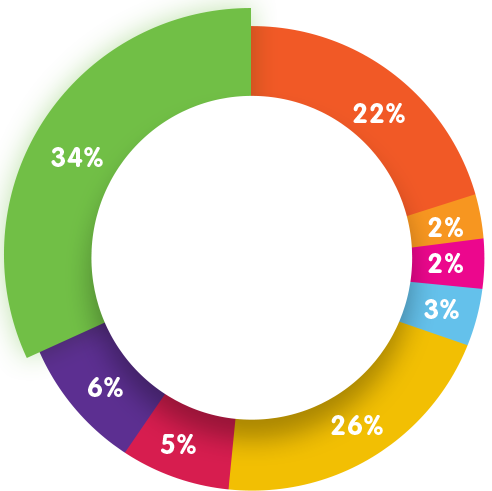
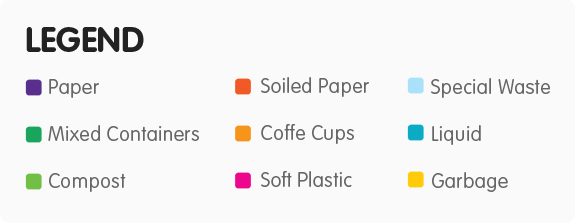
The sample will be removed from your site and methodically sorted into approximately 60 categories
-
Once the audit is complete, each category is weighed and photographed
-
Results and recommendations are provided to your organization in a detailed report.
Why choose Urban Impact for a Waste Audit?
Urban Impact has over 30 years of experience helping companies with their recycling, waste and shredding needs. Waste Audits are one of the tools Urban Impact uses to assist customers in succeeding with their waste management efforts.
Our Diversion and Waste Audit reports provide detailed measurements, photos, summary tables and detailed recommendations for improvement and future expansion of your waste reduction program. Urban Impact also can complete Waste Audits for LEEDS reporting.
Waste Audit Proven Results
Urban Impact has completed more than 500 Waste Audits for a variety of customers in throughout Canada. Over the last 5 years,
we have established an Average Diversion rate for several sectors and building types.
For the purposes of broad discussion, Commercial Office Buildings achieving a Diversion rate of 77% is reasonable and achievable.
To achieve this result, several key components have been observed.
Consistent and immediate communication with tenants, especially when new items are found in the waste stream.
Educational materials on where to recycle and divert these new items found in the waste stream.
Notifying tenants on diversion audit results, ensures that all tenants know they are contributing to the effort.
Employing a member of the team known as a "Recycling Champion", for each site or building whose primary role is to ensure the Waste and Recycling room is organized, not overflowing.
A well laid out and clearly labelled Waste and Recycling room.
Typically, by diversion in these categories, leaving approximately 23% waste remaining.
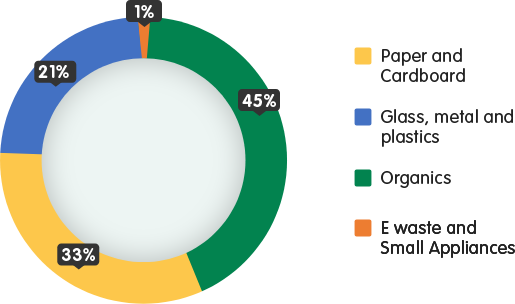
Is it possible to divert more and further reduce the waste sent to disposal? We believe the answer is yes! With continued and deeper dives into what remains in the waste stream, getting closer to Zero Waste is possible.
Tips for a Successful Waste Audit
Urban Impact has the expertise and experience to complete a thorough Waste Audit. These are o ur top tips for getting the most out of a Waste Audit.
Waste Audits are measurable. Anything that can be measured can be tracked, changed and improved.
Scheduling a Waste Audit during “normal” operating times gives companies the most accurate results.
With regularly scheduled audits, companies see improvements in their waste management practices.
Keep your audit a secret. Giving everyone a heads up that an audit is taking place may result in inaccurate data.

©Copyright 2026 www.urbanimpact.com | All Rights Reserved