LATEST POSTS

How Recycling Works in Canada
Recycling is a complex and integrated system. While many people think recycling begins when an item is placed in a blue bin, the reality is much more complicated. Successful recycling in Canada depends on a circular system involving product designers, consumers, collection programs, municipalities, Producer Responsibility Organizations (PROs), recycling facilities, manufacturers, and end markets.
A Simple Idea with a Big Impact
At Urban Impact, we believe being part of a community means more than simply doing business there. Every day, we work alongside our communities, supporting local businesses, non-profit organizations, and the people who make these places vibrant places to live and work.
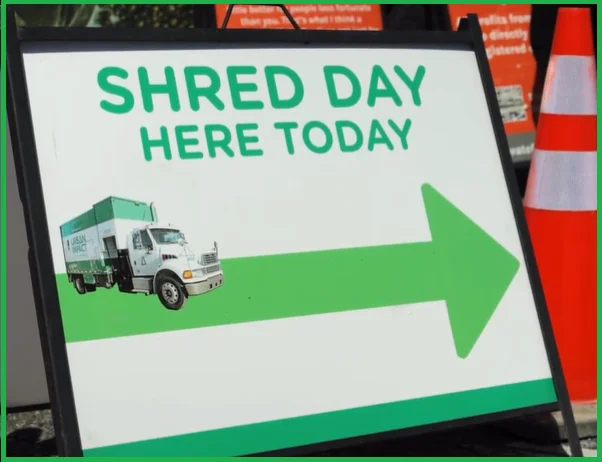
Shredding Events are one of the ways we give back, helping local charities raise funds while providing residents with a secure and convenient way to dispose of confidential documents.

What Do with Summer Gear and Fire‑Risk Items Before Fall Arrives
As summer winds down and we start packing away camping gear, travel essentials, and backyard favourites, it’s easy to toss things into the blue bin without thinking twice. But here’s the truth: a lot of common summer items can pose a serious fire risk or cause major problems in recycling facilities — even when they look recyclable.

Why Businesses Need Commercial Organic Recycling Programs
Commercial organic recycling is no longer a “nice to have”. It’s a core sustainability practice that Canadian businesses need to adopt to reduce costs, meet regulatory expectations, and improve environmental performance. Organic waste is a biodegradable materials originating from living organisms, including food scraps or yard trimmings. Animal waste such as dog or cat poop is garbage, not organic matter for recycling.